Choosing a CPAP mask: full face, nasal or nasal pillow
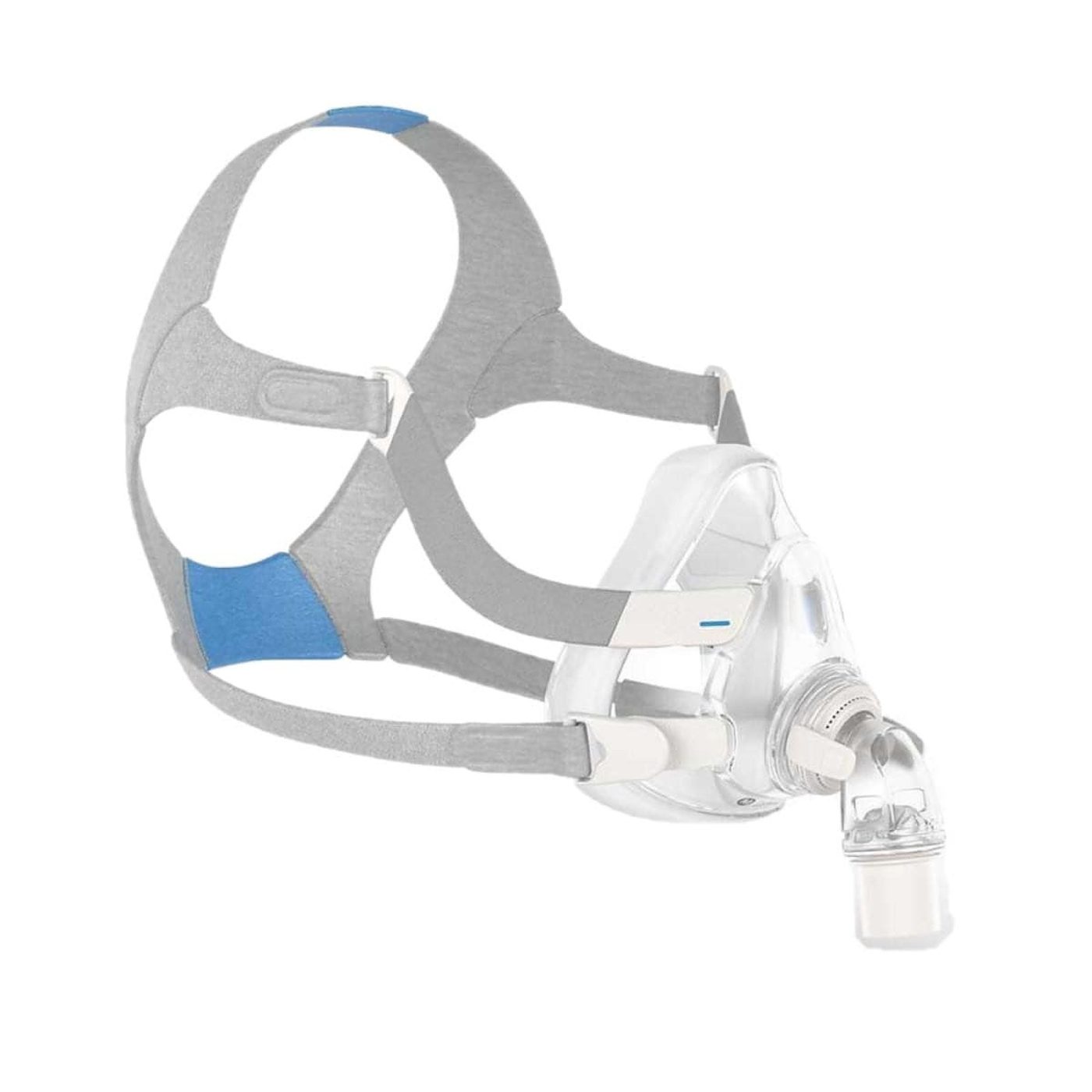
Ask anyone who has been on CPAP for a few years what made the difference, and they will usually talk about the mask rather than the machine. A mask that leaks, presses on the nose bridge or comes loose when you turn over is the most common reason people stop using therapy.
Full face masks
These cover the nose and the mouth. They suit people who breathe through their mouth while asleep, who have frequent nasal congestion, or who are prescribed higher pressures. They are the largest of the three types, which some people find reassuring and others find intrusive.
Nasal masks
These seal around the nose only. They are smaller than a full face mask and are a good middle ground: enough surface area to hold a seal at moderate pressures, without covering the mouth. They work well if you reliably breathe through your nose at night. Some people use a chin strap alongside one.
Nasal pillow masks
These seal at the nostril openings, with almost nothing on the face. They are the lightest option, they leave your field of vision clear so you can read before sleep, and they suit side sleepers. At higher pressures some people find the airflow directed into the nostrils too forceful.
Getting the size right
Cushion size is separate from mask type, and it matters just as much. Most manufacturers publish a printable fitting template. Print it at 100% scale — not "fit to page" — and follow the instructions.
If you are unsure, send us a photo on WhatsApp or visit our Kolkata store and we will fit one for you.
Have a question about your equipment?
Call or WhatsApp us — we would rather answer a question than have you guess.