CPAP, APAP and BiPAP: what is the difference?
If you have just been handed a prescription after a sleep study, the letters can be confusing. Here is what they actually mean.
CPAP — one steady pressure
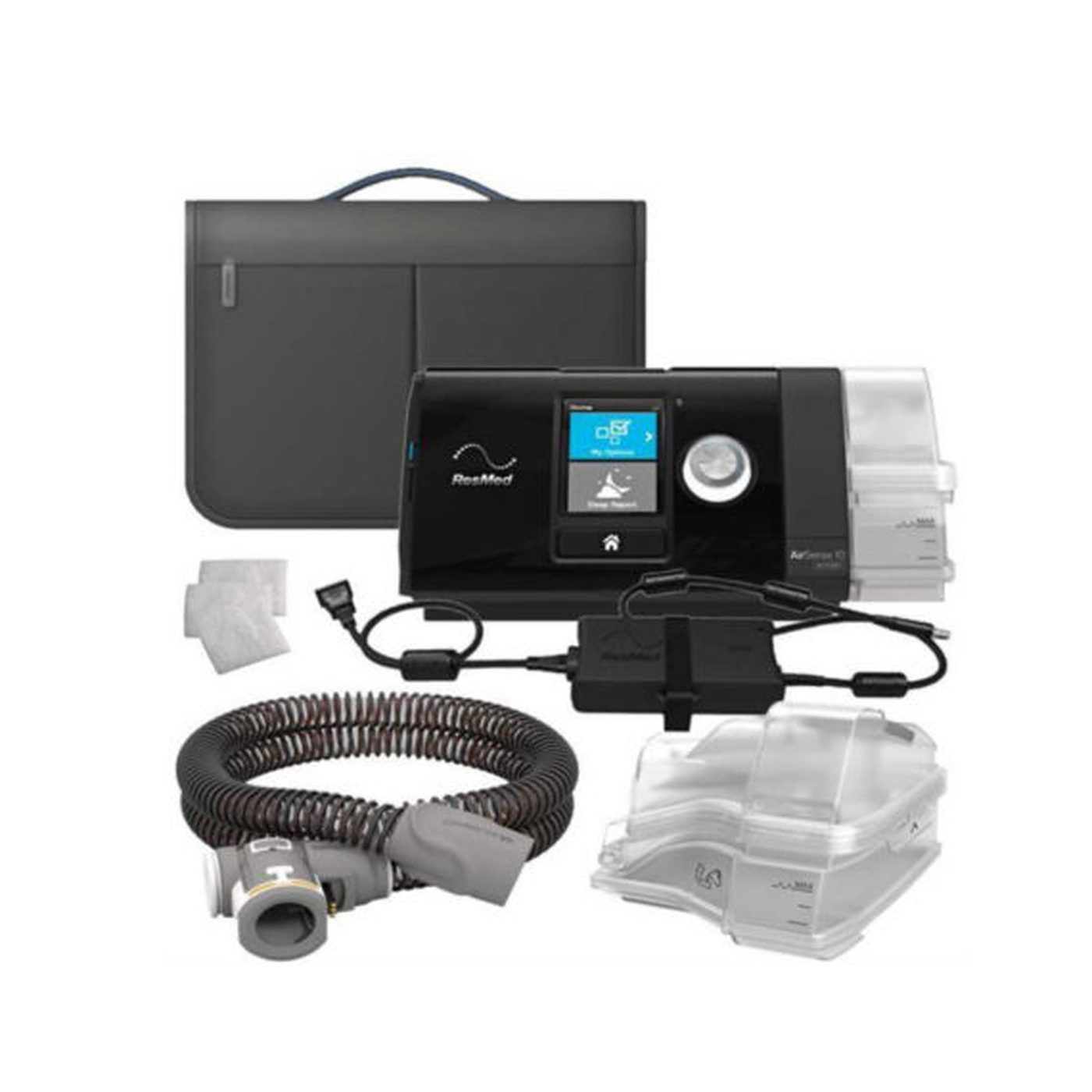
A CPAP machine delivers a single, constant pressure all night. Your clinician sets that pressure based on your sleep study. It is the simplest of the three, and for many people it is all that is needed.
APAP — pressure that adjusts itself
An APAP (also called an auto-CPAP, or "AutoSet" on ResMed devices) works within a pressure range instead of a single number. The device raises and lowers pressure through the night within the limits your clinician sets. People whose pressure needs change with sleeping position or sleep stage often find this more comfortable.
BiPAP — two pressures
A BiPAP device uses two pressures: a higher one when you breathe in and a lower one when you breathe out. Breathing out against a high pressure is the part many people find hardest, so the lower exhalation pressure can make therapy easier to tolerate. BiPAP is also prescribed for some conditions where CPAP alone is not appropriate.
Which one do you need?
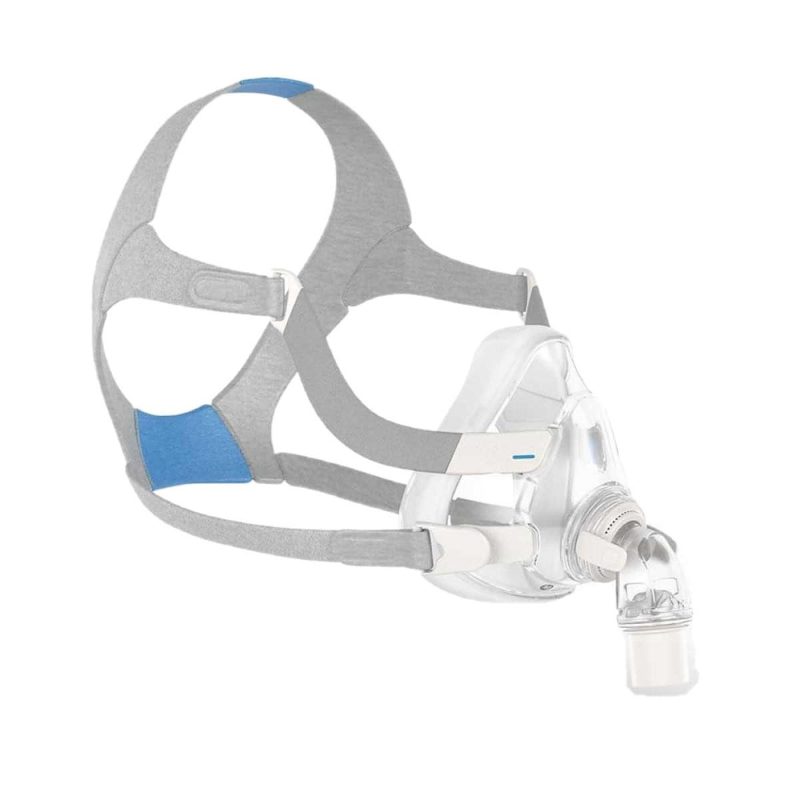
That is your doctor's decision, not a shopping choice — the prescription will say. What we can help with is the rest: which model fits your budget, whether a humidifier is worth it in your climate, and which mask suits your face and sleeping position.
Call or WhatsApp us on 7003157165 with your prescription and we will talk you through the options.
Have a question about your equipment?
Call or WhatsApp us — we would rather answer a question than have you guess.