Oxygen concentrator or oxygen cylinder: which suits home use?
When a doctor prescribes home oxygen, the next question is usually practical: concentrator or cylinder?
How a concentrator works
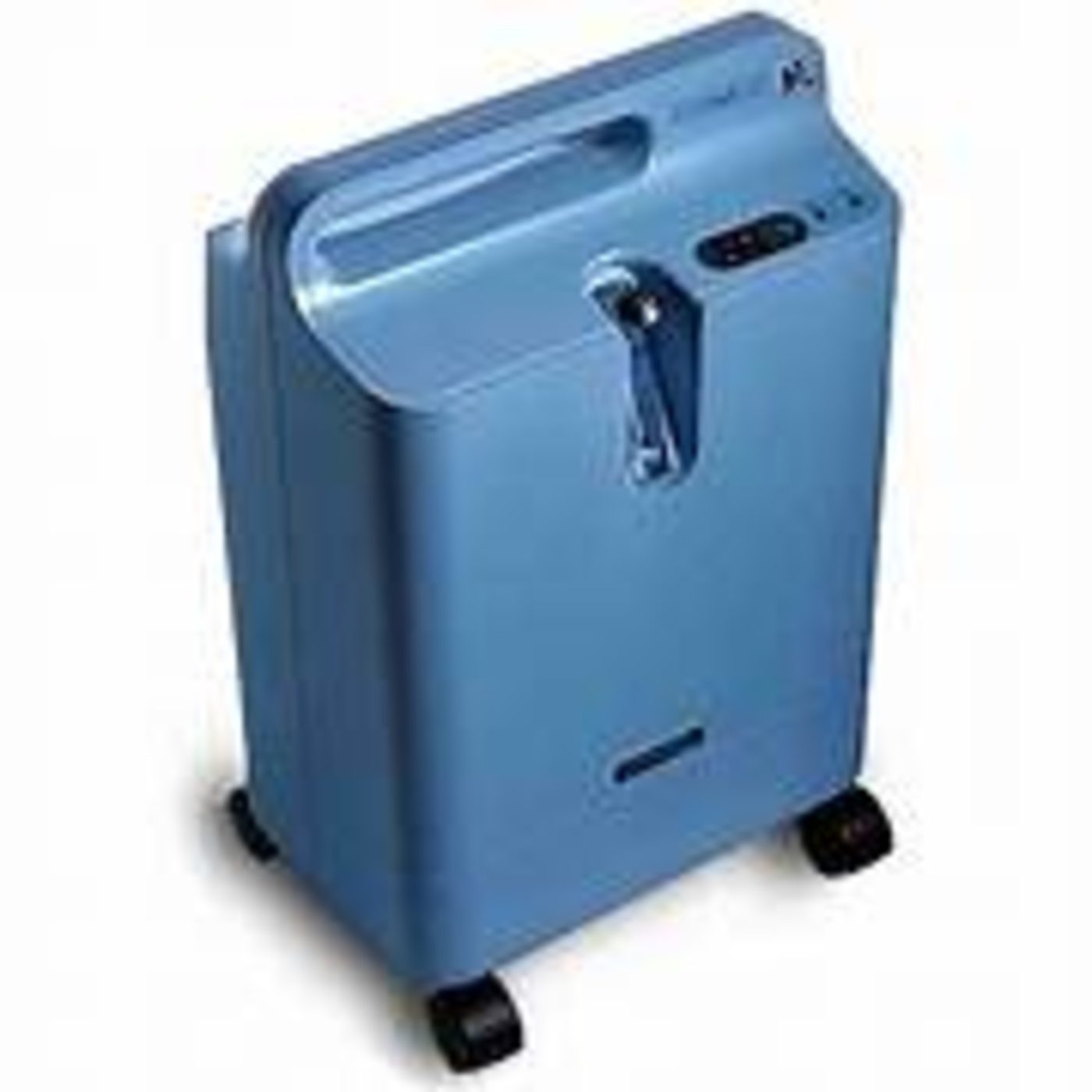
A concentrator draws in room air and separates out most of the nitrogen, delivering oxygen-enriched air through a nasal cannula. Because it makes oxygen from air, it never runs out — as long as it has electricity.
How a cylinder works
A cylinder holds a fixed quantity of compressed oxygen. It needs no power, but it does run out and has to be exchanged or refilled.
The practical trade-off
- Many hours a day, reliable power: a concentrator is usually more economical, because there are no refills to arrange.
- Short or occasional use: a cylinder may be simpler.
- Frequent power cuts: discuss a cylinder as backup with your doctor. A concentrator stops working when the power does.
- Moving around the house: stationary concentrators have castors; portable concentrators exist but cost more and deliver less flow.
Things people are often not told
A concentrator produces warm air and a steady hum, so placement in the room matters. It needs clear space around the air intake — pushing it against a wall or a curtain restricts airflow. And the intake filter needs regular cleaning, particularly in dusty conditions.
Safety
Oxygen supports combustion. Keep the equipment well away from open flames, gas stoves, and anyone smoking. Follow the safety guidance in the manufacturer's manual and your doctor's instructions.
Many families start on rent while they see how many hours a day the concentrator is actually used, then buy if it becomes long term. Call us on 7003157165 to talk it through.
Have a question about your equipment?
Call or WhatsApp us — we would rather answer a question than have you guess.